automation in food packaging

Automation Is Driving American Industry

Virtually every business is looking for ways to utilize automation to improve effectiveness and cut costs. The food packaging and pharmaceutical packaging industries are among those finding solutions in custom designed machinery to meet their specific needs.

Along with government mandated regulations for safety, the fiscal need for efficiency and cost-saving are driving increased demand for labor-saving automation to address specific market trends.

Consumer demand for convenience drives most markets but the main concerns in food processing remain the same; maximizing yield, reducing waste, enhancing reliability and ensuring hygiene and safety.

The rising demand for ready-to-cook meals and prepared cuts of meat are driving developments in modified atmosphere packaging and skin pack formats with extended shelf-life.

Quality control is another important factor driving the automation boom and industries are relying more on robotic QC mechanisms to ensure that their product is as good as it can be when it reaches the market.

Workplace safety is of course a major driver in the shift to automated systems. Injuries in any production line are more than just an inconvenient byproduct of manufacturing, they serve to drive insurance premiums up as well.

ORICS Industries has been designing and manufacturing custom solutions for packaging since 1990 and is the leader in modified atmosphere packaging systems worldwide. With a focus on solving specific the challenges faced by individual industries, ORICS provides technological answers to maximizing yield, reducing waste, extending shelf life, and quality control, while delivering hassle free systems that are reliable and forward thinking so they last for years, even decades.

Request for Quotation (RFQ)


Do you have a project that you would like to receive a budgetary quotation for? If so, please fill out as much of this form as possible and then hit "SUBMIT". You may forward any photos with your request as you feel are helpful. We will get back to you just as quickly as possible to assist you with your request.


Description of Project

I am interested in finding out about (check all that apply):


Select imageChange Remove

Requested Follow Up Action:

How would you like us to follow up with you?


Product Samples:

If you have container and product samples that you can submit for our examination, that will make the process of providing a quotation for your project that much more accurate.

Please submit your samples to:

ORICS PRODUCT SAMPLES
240 Smith Street
Farmingdale, NY 11735

ATTN: (YOUR COMPANY NAME)

Thank you for the opportunity to work with you on this project!

Powered by NEX-Forms
modified atmosphere packaging

What is Modified Atmosphere Packaging?

Modified Atmosphere Packaging is the combination of an optimal blend of Nitrogen and/or Carbon Dioxide with in a high-barrier or Permeable package. A finely adjusted and carefully controlled gas blend is created to meet the specific respiration need for each packaged food product.

To package a product in a modified atmosphere requires sophisticated machinery, to flush out air from the packaging chamber and replace it with a different gas or precisely defined mixture of gases, then seal the product in the packaging so that only the modified atmosphere surrounds the product and not any other unwanted gas.

Trays and Packaging films are selected to match the characteristics and needs of each food product. For instance, meat and fish require very low gas permeability films so, For non-respiring products (meat, fish,cheese, Etc..) high barrier films are used. The initial flushed gas mixture will be maintained inside the package. Fruit and Vegetables, However, are respiring (breathing) products where the interaction of the packaging material with the product is important. In this instance, the permeability of the packaging film is adapted to the products respiration. The goal is to establish an equilibrium between the O2 and the CO2 inside the package and this balance results in extended shelf life. in nearly all instances, a M.A.P gas mix slows down the product deterioration, spoilage and rancidity caused by mold and other aerobic organisms.

WHY  M.A.P  SEAL ?

Longer shelf life M.A.P packages allow food processors, food manufacturers, food distributors and food retailers to better control product quality, availability and costs. Longer freshness cycles permit grocers to eliminate frequent product rotation, removal and restocking; thereby reducing labor and waste disposal cost. Distributors can extend distribution territories or offer a greater variety of product line to the retailer, Since less frequent product replacement requirements permits growth in other areas. Food Manufacturers are able to take advantage of extended replacement cycles to reduce production replacement demands. Manufacturing capacity can be more profitably utilized by developing and offering new products.

call us at 718-461-8613 or visit our  site www.orics.com


Orics Greek Yogurt, lassi

Yogurt Cup Filling Sealing Machine

Yogurt cup Filling and sealing packaging machine.

Yogurt is one of the in demand product types in the fermented foods industry, so it is worth examining some of the issues associated with producing this product. ORICS Industries has many years experience and expertise in helping yogurt companies deal with industry specific issues.

Top 3 Issues For Yogurt Packaging

A grainy texture during fermentation

Fermentation time decreases when higher temperatures are set which means manufacturers can break, cool and package it faster. To some degree, it can be detrimental to the consistency or texture of the finished yogurt. Yogurt set at higher incubation temperatures can incubate to a grainy texture.

Faster acid production from the culture as it metabolizes lactose and ferments it into lactic acid can shock the inherent dairy proteins in the yogurt. Incubating yogurt at a high temperature may reach the break pH in a shorter amount of time. But the faster acid production from the lactic acid bacteria can shock the dairy proteins and make the finished texture grainy in the incubation vat or in the cup, if it is set in the cup.

Setting the yogurt at a lower set temperature will produce acid at a slower rate, with less probability of shocking the dairy proteins.

 Yogurt is too tart

Yogurt that is too tart is counter to any marketing objectives. How does this yogurt become too tart? Manufactures sometimes disregard anticipating at what pH the yogurt should be broken and cooled. Manufacturers often need to break the yogurt at a higher pH in order for it not to go below the desired pH by the time the yogurt is packaged in the retail cup, cased, stacked and cooled in the cooler.

The solution to this problem is to simply raise the break pH to allow less of a pH drift downward by the time the yogurt has cooled, been mixed with any added fruit and sugar, and it is finally cooled down in the finished retail package.

A grainy appearance

A grainy appearance is often cause by starch selection. Many starches can have a grainy texture if they are not fully cooked out and swollen. Starch exists as tiny “granules” that swell and enlarge in size, which develop viscosity as they tie up or bind the available moisture in the dairy product. Milk contains 87% water, and plain sweetened yogurt in fact would have about 76% available water, depending upon the fat level and the total solids level.

Under cooking the starch can result in a grainy texture in the finished yogurt. The yogurt will have a coarse look to it. It may appear dull and not have a shiny look to it as well.

Choose another starch or increase the cook-out temperature of the starch by pasteurizing the yogurt at a higher temperature. If the starch is part of a stabilization system, it may be necessary to work with your supplier to change the starch portion in the yogurt stabilizer if you feel a smoother starch is necessary.

Cultured dairy products are complex and require strict attention to detail in order to have the best-quality product your dairy can produce and put in front of the consumer.

ORICS has designed many machines and systems to help yogurt manufacturers deliver consistent, quality results in the product quality, taste, texture and shelf-life.


ORICS automated yogurt cup filling sealing machine, full packaging solution for yogurt cup.

All ORICS Machines are engineered and fabricated in our Facility at 240 Smith Street Farmingdale, NY.

Tel: 718-461-8613

nuts packaging

Mixed Nuts Packaging filling sealing machine

ORICS Mixed Nuts packaging machine, filling and sealing line.

At Orics we provide a wide array of packaging solutions for dry goods including nuts, seed, dried fruits and vegetables, chips snacks, candies, coffee, tea, non-dairy-creamers, cereal, granola, oatmeal, grains and much more. We feature an extensive catalog of denesters, fillers, sealers, form-fill&seal machines and turnkey systems.

Orics Mixed Nuts Packaging filling sealing machine.


fresh farm packaging machine

Fresh Fruit Packaging Machine

Solutions For Fresh Fruit And Produce Packaging

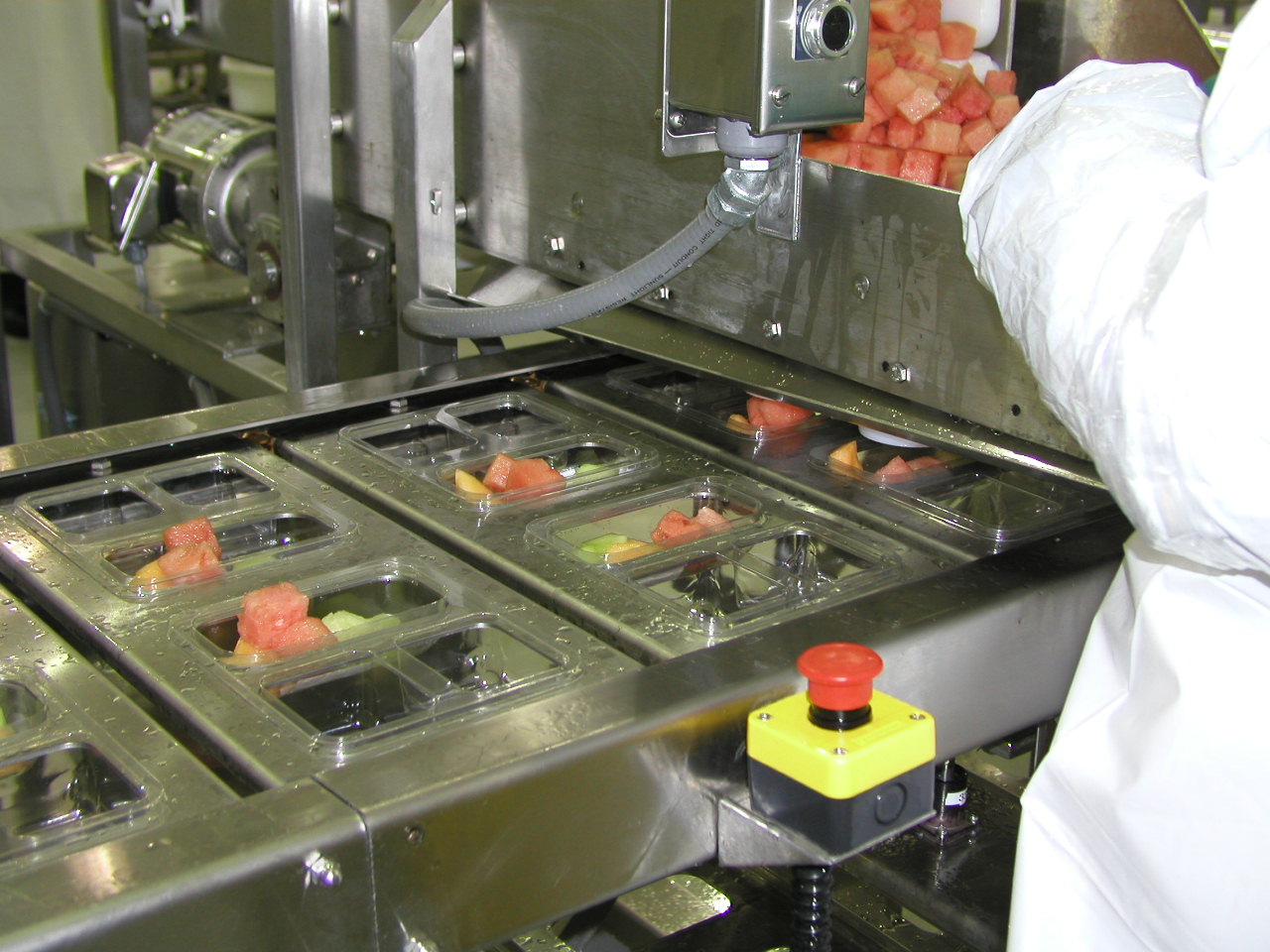
Packaging fresh fruit and produce presents unique challenges for suppliers. Today’s supply chains are becoming longer and more complicated – and sometimes span several continents. The right choice of logistic services can determine whether or not a fresh produce consignment can be sold. Fresh produce can be shipped by sea, air, road, or in some cases, by rail. It is important to ensure that the delivery process and the packaging of fresh produce on its way from farm to point of sale is adapted to the respective mode of transport.

Packaging not only needs to be leak-proof (for convenience and hygiene purposes) and include machine-readable labels. It should also protect against contamination, so that fresh produce can be transported together with FMCGs in the same consignment. In this context, fresh fruit and vegetable packaging will increasingly be expected to support eco-sustainability, for example, by extending shelf life and using more eco-friendly materials. Growers will either need to expand their in-house packaging capabilities and processes, or enter into partnerships with service providers. We already see the packaging industry ramping up its production capacity for producers – and this trend is likely to continue as online sales increase.

ORICS is a leader in Modified Atmosphere Packaging, (M.A.P.) systems which helps to solve a number of issues for produce and fresh fruit with regard to ensuring freshness and prolonging shelf life.


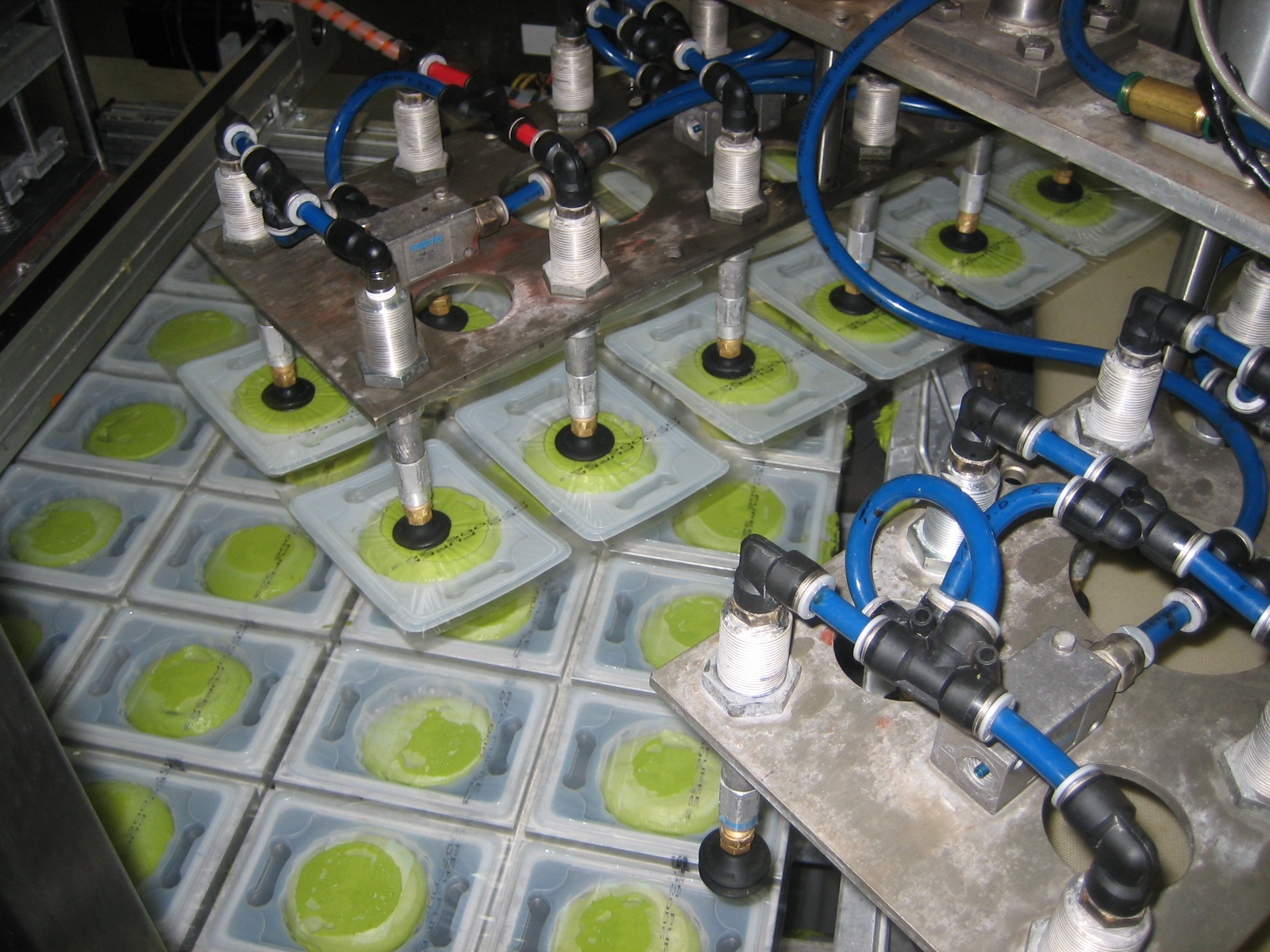
Orics Guacamole filling sealing trays

Mashed Vegetables Tray Filling for the Elderly

Orics Mashed vegetables Tray filling for the elderly community.

ORICS S 30 2×6 tray Packaging Machine, mashed vegetables for the elderly. machine is US made by ORICS at 240 smith street, Farmingdale NY 11735 . 718-461-8613.

Foods in pureed and mechanical soft diets have a smoother consistency than regular foods. They require very little or no chewing at all to swallow. You may need to be on a pureed or mechanical soft diet if you:

  • Have trouble chewing or swallowing
  • Had mouth surgery
  • Have trouble moving or have lost feeling in parts of your mouth, such as your lips or tongue

A pureed diet is made up of foods that require no chewing, such as mashed potatoes and pudding. Other foods may be blended or strained to make them the right consistency. Liquids, such as broth, milk, juice, or water may be added to foods to make them the right consistency. Soft foods help elderly people who have difficulty chewing or swallowing continue to eat balanced, nutritious meals. Doctors also may recommend softer foods following head, neck or abdominal surgery, and for patients undergoing treatments such as chemotherapy or radiation. Tender or soft foods help ease the amount of chewing and swallowing needed to ingest food. You can also modify tougher foods in texture and consistency for better tolerance.


orics vegetable tray sealing machines

Banana Tray Packaging

Banana Tray Packaging filling and sealing packaging line. S-30 Fresh banana Tray packaging line.

Bananas were originally marketed in bunches and the leaves were used as padding to minimize the marking and bruising in transit to markets. In the early 1900s wood cases were introduced, with all of the bananas packed as single fingers, and weighing around 90 LBS.  Eventually the wooden crates were replaced by the cardboard cartons we still see used today. and lately you can find smaller packages that comes in plastic trays.

Once the trailers of newly harvested bunches reach the packing shed, either the top of the trailer, which is demount able, is slid onto a rail like system and pushed into the shed, or the trailer is reversed into the shed

Bunches are then lifted onto an overhead conveyor system using an air ram for easier lifting for the operator. Bunches generally weigh around 75-100 LBS  and each day an operator may lift up to 500 bunches. The bags are removed to be recycled and used for upcoming crops.

The overhead gantry system then takes the bunches through a high pressure wash to clean the fruit.

Next the hands of bananas are removed from the bunch stem in a process called “De-handing”. A special thin, straight bladed De-handing knife is used to remove the hands, which each contain from around 25 to 30 individual bananas or finger from the bunch stalks.

Care is taken at all of the above processes to ensure any “passengers” that come into the shed, especially green tree frogs and tree snakes which like to live in the bunches are not harmed and returned to the plantation. Occasionally, some of these passengers do manage to make a long trip to markets, where they are retrieved and sent to local zoos, or returned to the farm from which they came.

After the hands have been removed, they are cut into clusters of between 3 and 9 individual bananas, to make it easier for retailers and consumers further down the supply chain. It is these clusters that you would be used to seeing at your local retailers.

Once cut from the bunch into clusters, the bananas are placed into a fresh water wash tank, or placed onto a packing wheel, for further cleaning, removing of excess sap.

After the wash, and before bananas get to the packing station they are placed onto a conveyor belt where they are graded, sized and sorted to remove any with deformities, blemishes, cuts, bruises or marks that render them unmarketable. This conveyor belt will take the clusters to the packing stations.

The rejected bananas are put on another conveyor belt and will either become stock feed or be chopped up to be reused as plantation fertilizer.

At the end of the conveyor belts are the packing stations, where packers place clusters into banana trays in preparation for journey to markets. The two most common grades or sizes of bananas are “Large “and “Extra Large”


Orics tray seal machine

diced sliced tomatoes packaging machine

diced sliced tomatoes packaging machine, This turnkey ORICS S-30 system is designed to minimize the number of human operators required for the packaging of diced tomatoes in 4 lb trays. Everything from the dicing of tomatoes to the placement in trays is fully automated, reducing the number of Operators from nearly a dozen to just 2 or 3. Featuring a Denester, Elevator Conveyor, Scale, Scale Interface, Heatseal and Outfeed, this system parallels the processing conveyors that utilize a screw infeed, an elevator conveyor, a dicer and washing/draining/transport system. This system represents a complete packaging system from start to finish and is just one example of how ORICS can increase your bottom line and streamline your applications.

Like all ORICS products, the S-30 is manufactured in the United States at our Farmingdale, NY facility. For more information call 718-461-8613
Orics cups and trays filling and sealing machines.

orics

Cereal weigh fill and seal equipment.

Cereal weigh fill and seal equipment.

The ORICS S-30 2up Tray sealing line for cereal; denests containers, accurately deposits cereal and seals at speeds up to 50-60 containers per minute. The specially designed Eco-Cut Film-Feed mechanism allows for maximum material and cost savings. This Film Mechanism also includes film registration for accurate placement of printed film. This additional feature allows for reduced material usage for point of sale retail purposes. ORICS fully integrates with scales and other third party suppliers to create complete lines. The ORICS S-30 is available in many configurations to meet a variety of production requirements. ORICS Machinery is made in the USA.
Orics cups and trays filling and sealing machines.
240 Smith Street, Farmingdale, NY 11735
718-461-8613


ORICS

Medical Supply Packaging Machine

This ORICS S-30 10-up Cup Sealer is perfect example of a FDA approved ORICS pharmaceutical application. The ORICS S-30 fully integrates an OEM servo-driven piston filler and a unique robotic pick and place transfer system to create a complete turnkey solution. This system also features robotic foil lid placement and a 10-Head Platen Heat Seal. The S-30 is available in many configurations to meet a variety of production requirements. ORICS machinery is made in the USA. Orics Medical supply packaging machine and solutions.

Visit our website at www.orics.com.
Orics Medical Supply Packaging Machine  cups and trays filling and sealing machines.
240 Smith Street, Farmingdale, NY 11735
718-461-8613


Orics Pharmaceutical and medical supply packaging solutions.